


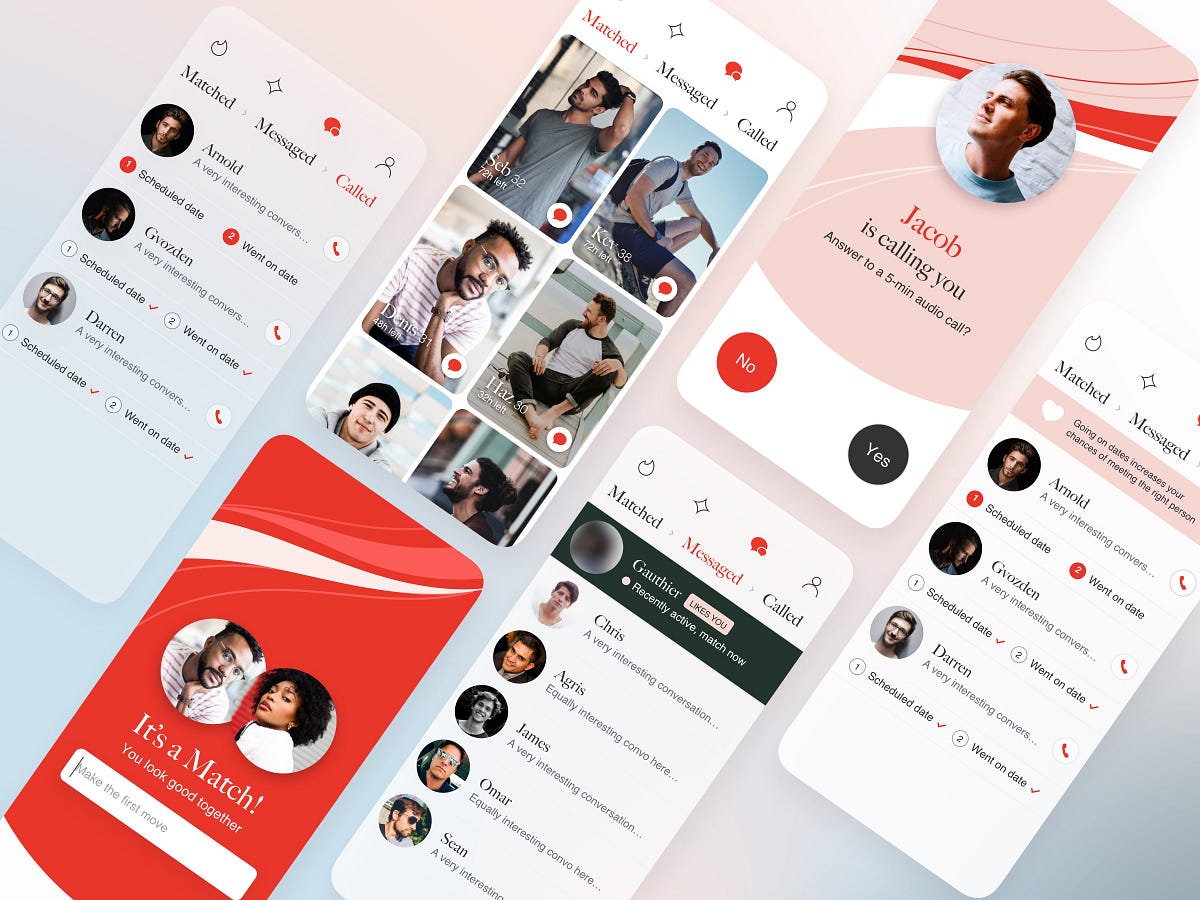
The "dating apocalypse" didn't happen in a vacuum—it evolved. By 2026, the landscape has shifted from the frantic swiping of the early 2020s into a complex, often exhausting maze of "opt-out" culture, AI interference, and extreme niche-seeking.
If you feel like finding a partner is harder than ever, it’s not just in your head. Here are the primary challenges of dating in 2026 and how people are trying to navigate them.
1. The "Dead Internet" Problem in Dating
The biggest shift in 2026 is the infiltration of AI. Dating profiles are now frequently "optimized" by LLMs, and photos are often subtly AI-enhanced or entirely generated.
- The Challenge: It’s becoming nearly impossible to get a sense of a person's true voice or appearance before meeting. This leads to "Catfish Fatigue," where the person who shows up for coffee bears little resemblance—spiritually or physically—to their digital persona.
- The Gap: Authenticity is now a premium currency. Success in 2026 belongs to those who post unpolished, "low-fi" content and voice notes.
2. The Rise of "Opt-Out" Culture
A significant portion of the dating pool has simply stopped trying. Following years of burnout, "dating intentionality" has turned into "dating celibacy" for many.
- The Challenge: The "middle" of the dating market—people looking for something steady but low-pressure—is shrinking. You are often met with either hyper-intense "marriage-track" seekers or people who are so guarded they are functionally unavailable.
- The Gap: Finding a middle ground requires moving away from apps and back into hobby-based "third places."
3. Hyper-Niche Compatibility
In 2026, general compatibility isn't enough. People are looking for "micro-alignment" in areas like digital hygiene (how much you use your phone), political nuances, and specific lifestyle aesthetics.
- The Challenge: The "Paradox of Choice" has been replaced by the "Paradox of Specificity." By filtering for someone who matches every single niche interest, users are filtering out potentially great partners who could have introduced them to new worlds.
4. The Financial "Vibe Check"
With the cost of living continuing to squeeze social budgets, the "first date" has been downsized.
- The Challenge: There is a tension between wanting to impress and the reality of a $15 cocktail. "Inflation Dating" has made the high-stakes dinner date a rarity, replaced by "activity audits" like grocery shopping together or walking through a park to gauge chemistry without the financial burden.
5. Algorithmic Isolation
Algorithms are better than ever at showing you exactly what they think you want.
- The Challenge: This creates "echo chamber dating." If you only see people who think, look, and act exactly like your previous three "likes," your world shrinks. Breaking out of your "type" requires a manual effort that the apps are designed to discourage.
How to Navigate 2026
The most successful daters this year are those treating it like a "Human-First" endeavor:
- Offline First: Joining local micro-communities (run clubs, pottery classes, niche book clubs) to meet people in high-context environments.
- Hard Transparency: Being "boringly honest" in profiles to filter out those who aren't a match immediately.
- The 15-Minute Screen: Using a quick video call to bypass AI-optimized profiles before committing to an in-person meeting.
Dating in 2026 isn't impossible; it's just different. The "gamified" era of dating is dying, and a new era of radical, sometimes messy, authenticity is taking its place. The winners are those willing to be "un-optimized" in a world of perfect algorithms.
Comments
No comments yet. Be the first to share your thoughts.
Log in to add a comment.