


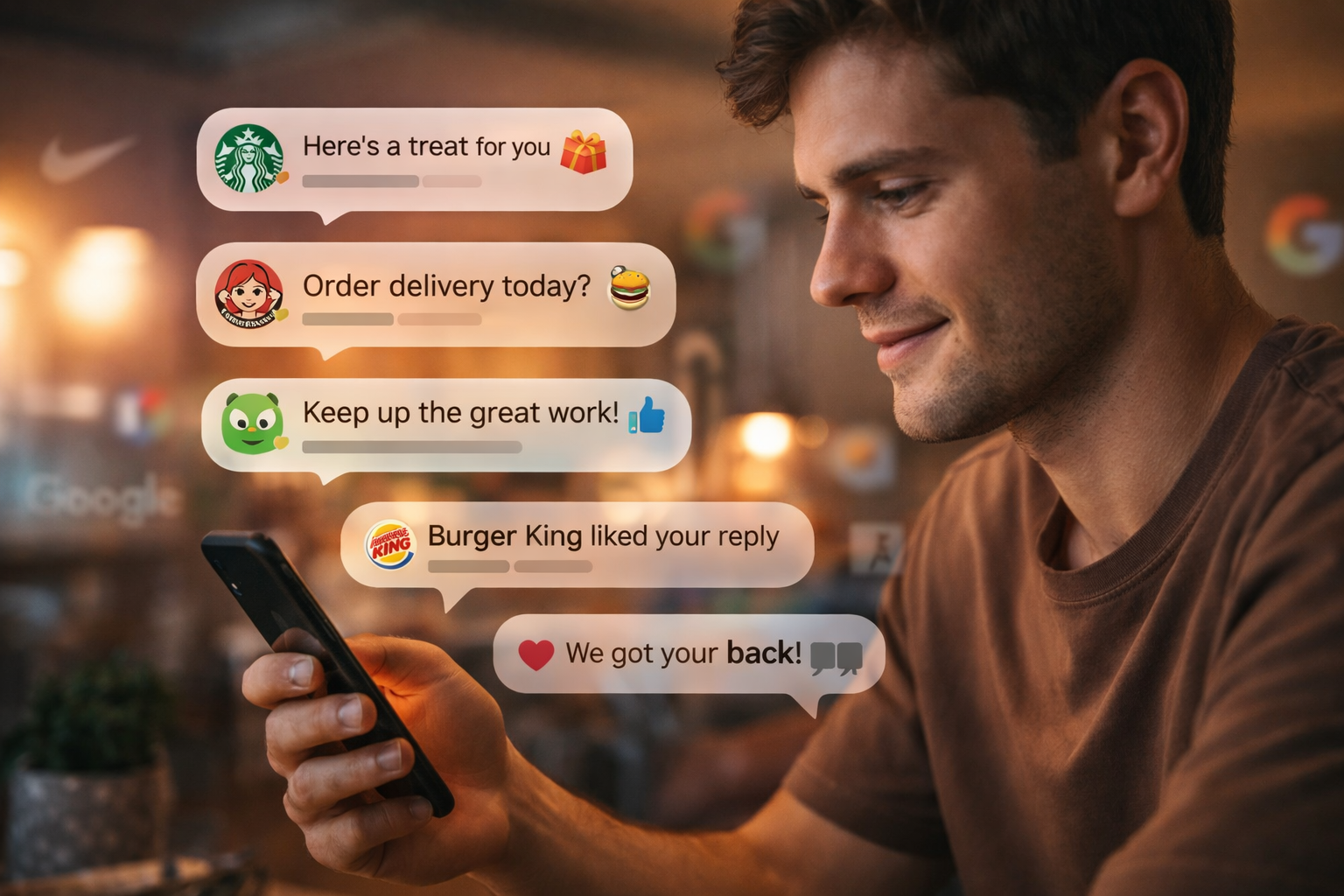
There was a time when brands mostly tried to look polished, professional, and a little distant. Now they want to sound like they know you, joke with you, comfort you, reply to your comments, and slide into your daily life like a friend with a content calendar.
That shift is not random. It reflects a larger change in how people relate to companies, creators, and media. Consumers increasingly want brands to feel more human, more responsive, and more emotionally aware on social platforms, while trust is becoming more personal and product-level rather than institutional. Sprout Social has found that many consumers want brands to help create connection online, and Edelman reports that people often trust the brands they actually use more than broader institutions.
Why Brands Are Acting More Personal
Modern brands are competing in a crowded attention economy where being visible is not enough. They need to feel familiar.
That is why so many companies now use first-person language, casual humor, behind-the-scenes content, founder stories, community language, and emotionally warmer messaging. They are trying to reduce distance. A brand that feels like a personality is easier to remember than one that sounds like a press release.
This is especially true on social media, where audiences expect conversation, not just broadcasting. Deloitte’s research says social-first brands are investing more heavily in community, content, and conversion, which helps explain why brand voice has become more intimate and more “friend-shaped” in public.
The Real Goal Is Trust, Not Friendship
Of course, brands are not literally trying to become your friend. They are trying to become trusted enough to stay in your orbit.
That matters because trust is now one of the most valuable forms of commercial advantage. When people feel a brand understands them, reflects their values, or communicates with honesty, they are more likely to keep paying attention. At the same time, consumers have become more skeptical of polished corporate messaging and more sensitive to transparency, authenticity, and usefulness.
So when a brand sounds warmer, more relatable, or more emotionally fluent, it is often responding to that pressure. It is trying to feel less like a company speaking at you and more like a presence you would willingly let into your feed.
Why This Feels Stronger Right Now
The “best friend brand” era is also a reaction to digital overload.
People are surrounded by ads, automation, AI-generated content, and interchangeable messaging. In that environment, personality becomes a shortcut for connection. Human tone stands out. Familiarity stands out. Brands know that if they can make you feel something quickly, whether that is comfort, amusement, recognition, or belonging, they have a better chance of being remembered.
That is one reason authenticity has become such a loaded business word. As more content becomes easier to generate, brands are under more pressure to appear genuine, not generic.
Why People Respond to It Anyway
Even when audiences know the strategy is strategic, it can still work.
People are drawn to signals of warmth, personality, responsiveness, and shared language. They like brands that seem self-aware, culturally fluent, and present. They like feeling recognized rather than processed. That does not mean consumers are naive. It means emotional intelligence has become part of marketing effectiveness.
The catch is that the performance has to match the experience. A brand cannot talk like a best friend and then behave like a cold robot when a customer needs help. The friendlier the voice, the higher the expectation.
That is the real reason your favorite brand is suddenly acting more like a person. It is not just chasing likes. It is chasing relevance in a world where attention follows feeling, trust feels increasingly personal, and the companies that sound human often get treated as more worth listening to. The question is not whether brands want a relationship. They do. The real question is whether they can earn one without sounding like they are trying too hard.
Comments
No comments yet. Be the first to share your thoughts.
Log in to add a comment.