


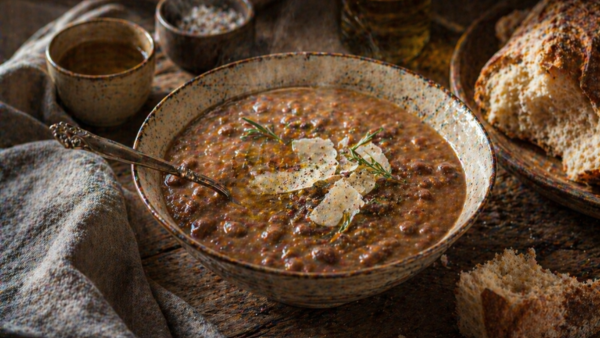
Glossy food culture spent years chasing visual perfection. Bright smoothie bowls, photogenic pastries, towering burgers, neon cocktails, and camera-ready plates dominated feeds because they looked exciting before anyone even took a bite.
Now the mood feels different. More people are being pulled toward foods that are deeper, softer, slower, and far less concerned with looking impressive. Stews, beans, porridge, braises, lentils, soups, and other so-called “brown foods” are starting to feel less humble and more luxurious.
That shift says a lot about what people want from food right now.
Why Brown Food Feels Different Now
Brown food does not usually win on flash. It wins on depth.
A bowl of beans, a rich stew, or creamy porridge does not scream for attention the way a brightly styled dessert or trendy brunch plate does. But it offers something many people are craving more of now: comfort, substance, and a feeling of being genuinely fed.
Luxury used to be tied more tightly to rarity, refinement, and presentation. Increasingly, it also looks like nourishment, warmth, time, and care. A slow-cooked dish can feel richer than something expensive because it delivers a kind of satisfaction that flashy food often does not.
The New Luxury Is Emotional, Not Just Expensive
That is the real shift.
People are starting to define luxury less by price and more by experience. A luxurious meal is not always caviar, white tablecloths, or tiny plated bites. Sometimes it is a deeply flavored bowl of something warm that makes you feel calm, grounded, and taken care of.
Brown food fits that emotional definition perfectly. It feels generous. It feels soothing. It feels like someone had to let it simmer, season it properly, and give it time. In an overstimulated culture, that kind of slowness reads as premium.
Why Stews, Beans, and Porridge Suddenly Feel Cool
Part of the appeal is that these foods reject performance.
They are not trying to be sexy in the obvious sense. They are not overbuilt for social media. They are practical, filling, and often inexpensive at their core. That makes them feel honest, which is exactly why they are gaining cultural power.
Beans, for example, have moved far beyond being seen as a budget fallback. They now signal comfort, wellness, simplicity, and even taste literacy. The same goes for porridges, brothy grains, and slow braises. These foods suggest that the person eating them values depth over hype.
That is increasingly stylish.
Brown Food Matches The Cultural Mood
Food trends do not exist in isolation. They reflect how people feel.
Right now, many people seem tired of extremes. They are tired of overdesigned menus, overhyped ingredients, and the pressure for everything to look perfect. Brown food offers relief from all of that. It is cozy instead of flashy. Steady instead of showy. Real instead of overly aestheticized.
It also fits a wider return to softness and practicality across culture. People want things that feel lived in, warming, and emotionally useful. Brown food does exactly that. It turns simplicity into pleasure.
There Is Also A Quiet Status Signal In It
Part of what makes brown food feel luxurious is that it suggests confidence.
Choosing a bowl of lentils, a beautifully made stew, or a perfectly textured porridge over something louder can signal that you are not chasing novelty for novelty’s sake. You know what satisfies you. You know what tastes good. You are not dependent on spectacle.
That kind of understated choice often becomes a new form of status. It says your taste is developed enough to appreciate what is slow, subtle, and deeply flavorful, even if it does not photograph like a trend piece.
Why Restaurants And Home Cooks Both Benefit
This trend works because it travels well between restaurant culture and home cooking.
In restaurants, brown food can feel soulful, seasonal, and craft-driven. A beautifully made stew or bean dish gives chefs a chance to show restraint, technique, and confidence. At home, these foods feel practical and emotionally rewarding. They stretch ingredients, reduce waste, and make everyday meals feel more grounded.
That combination matters. The strongest trends are the ones people can admire in public and actually live with in private.
What Brown Food Really Represents
The rise of brown food is not really about color. It is about values.
It reflects a growing appreciation for food that feels slower, warmer, and more sustaining. It suggests that luxury no longer has to mean polished excess. Sometimes it means tenderness. Sometimes it means depth. Sometimes it means a pot that sat on the stove long enough to become something memorable.
That is why brown food feels newly powerful. It offers a kind of richness that has nothing to do with decoration and everything to do with comfort, patience, and flavor. In a culture that often rewards what looks good first, these foods remind people how satisfying it can be when something simply feels good.
Comments
No comments yet. Be the first to share your thoughts.
Log in to add a comment.