


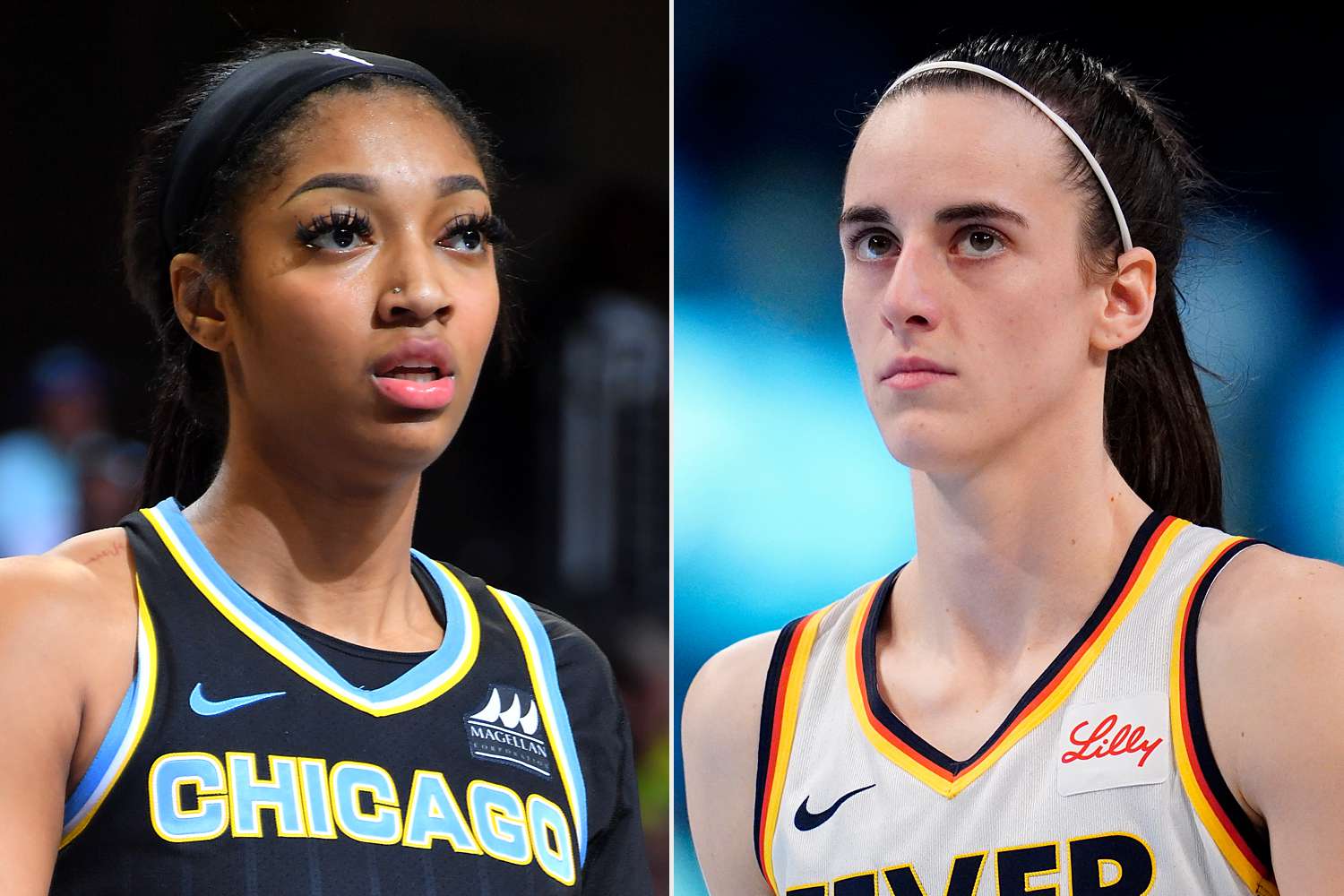
For years, women’s sports were treated like a side conversation. Important, inspiring, growing, but still somehow framed as niche. That framing does not really hold anymore.
Women’s sports did not suddenly become valuable overnight. What changed is that the numbers got too big, the audiences got too loud, and the business case got too obvious to ignore. Global women’s elite sports revenues are projected to reach at least $3 billion this year, up 25% from 2025 and up 340% since 2022.
The Word “Arrived” Means Something Different Now
When people say women’s sports have “arrived,” they usually mean the culture finally caught up to what athletes, fans, and insiders already knew.
This is no longer just about inspirational storytelling or symbolic progress. It is about serious media demand, sponsorship growth, expansion, rising valuations, and leagues that are starting to operate with real commercial force. The shift is visible across multiple sports, but the WNBA has become one of the clearest examples of what happens when attention, talent, and business momentum hit at the same time.
The WNBA Became Impossible to Underpay
One of the strongest signs of that shift is money.
The WNBA and WNBPA announced a tentative new CBA in March that dramatically raises salaries and restructures the economics of the league. Minimum salaries will range from $270,000 to $300,000, the average salary is expected to be about $583,800, and the maximum salary is set to start at $1.4 million. By comparison, in 2025 the average salary was about $120,000, minimum salaries started at $66,079, and the prior max was $249,244.
That is not a routine raise. That is the kind of jump that signals a league entering a different era. ESPN also reported that the team salary cap is expected to jump from about $1.5 million in 2025 to $7 million under the new deal.
Why the Salary Jump Matters Beyond the WNBA
The salary increase is bigger than one league. It changes the story around women’s sports as a career path.
For years, one of the most frustrating realities for elite women athletes was that cultural relevance did not always translate into pay, infrastructure, or long-term security. The new WNBA labor deal suggests that gap is finally narrowing in a visible way. It also sends a message to advertisers, networks, investors, and other leagues: women’s sports are not just a branding opportunity. They are a growth market.
This Did Not Happen by Accident
Women’s sports did not “arrive” because people suddenly became generous. They arrived because fans kept showing up, athletes kept performing, and the market kept proving there was real demand.
What used to be dismissed as untapped potential is now being measured in revenue, sponsorships, expansion plans, and media leverage. That matters because it changes how executives talk, how brands spend, and how future athletes imagine their careers. Once the business case becomes undeniable, the excuses get weaker.
Why This Moment Feels Different
The biggest difference now is not just visibility. It is leverage.
Visibility can still be fleeting. Leverage changes what athletes, leagues, and stakeholders can demand. Better salaries. Better benefits. Better facilities. Better coverage. Better long-term treatment. That is why the WNBA’s pay jump matters so much. It turns audience momentum into structural progress.
Women’s sports did not suddenly become worth watching. They became too big to keep undervaluing. And that may be the clearest sign yet that this is no longer a moment. It is a market, a movement, and for many leagues, a long-overdue correction that is finally starting to look permanent.
Comments
No comments yet. Be the first to share your thoughts.
Log in to add a comment.