


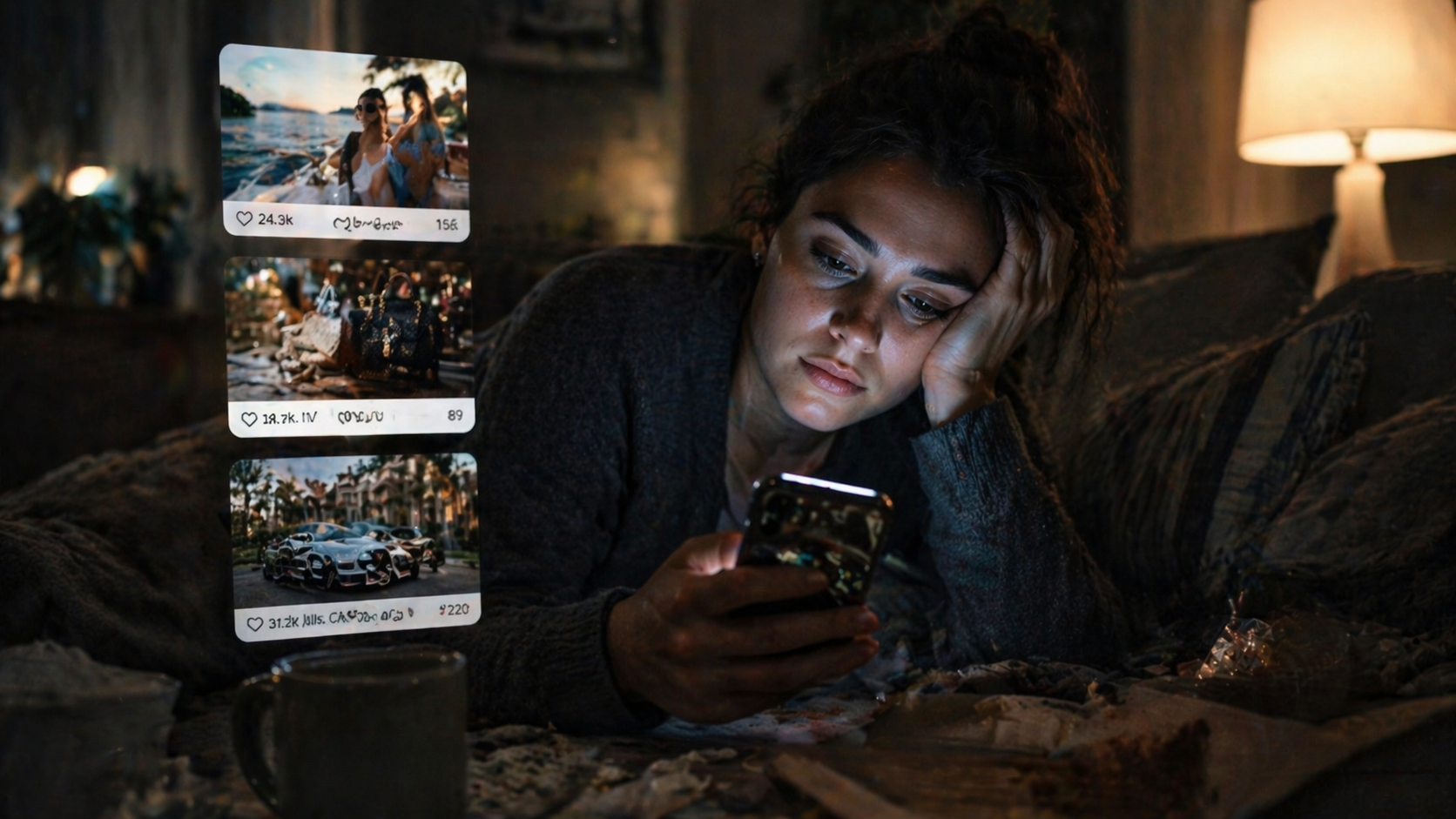
Influencer life used to feel aspirational. Perfect lighting, perfect routines, perfect relationships, perfect homes, perfect bodies, perfect mornings. For a while, that level of curation worked because it sold escape.
Now, for many people, it feels exhausting.
The shift is not imaginary. Audiences are showing stronger interest in honest, transparent, and unbiased creator content, while highly aspirational content is becoming less effective at stopping the scroll. Sprout Social’s 2025 influencer marketing report found that honest, unbiased content performs better with consumers, while aspirational content is the least likely to catch attention.
Why The “Perfect Life” Is Losing Its Grip
The old influencer model was built on distance. The creator looked just out of reach, and that gap made the lifestyle feel desirable. But over time, too much polish started to create emotional distance instead of admiration.
When everything looks curated, people start noticing the performance. The morning routine feels staged. The vulnerability feels timed. The “candid” post feels professionally lit. What once looked inspiring can start to feel repetitive, commercial, or emotionally flat.
That matters because trust is becoming the real currency of digital attention. Harvard Business Review noted that influencer marketing is still growing, but trust is eroding, with authenticity remaining a major factor in how audiences judge creators.
Why Audiences Want Something More Real
People are not just unfollowing creators because they are successful. They are pulling away from content that feels overly processed, too brand-safe, or disconnected from real life.
Recent creator trend reporting points to an “authenticity premium,” where behind-the-scenes content, transparency, and visible imperfection often outperform polished presentation. Wearisma’s 2025 influencer marketing report found that creator vulnerability and transparency are resonating more strongly with audiences seeking genuine connection.
That does not mean people suddenly hate beauty, ambition, or aesthetics. It means they want those things to feel believable. They want more texture. More honesty. More signs that an actual person exists behind the content.
Why Perfect Content Feels More Tiring Now
Part of influencer fatigue is cultural overload.
People are already surrounded by advertising, personal branding, AI-assisted content, and endless visual polish. In that environment, another flawless feed can feel less aspirational and more emotionally numbing. Even “raw” content can start to feel fake when authenticity itself becomes a style choice.
That tension is becoming more visible across digital culture. Commentary in recent coverage has highlighted how even messy, unfiltered aesthetics can become their own kind of performance once they are repeated often enough.
What Viewers Trust Instead
Audiences are increasingly looking for signals that feel less manufactured. That might mean smaller creators, more specific expertise, real product experience, or content that feels less scripted.
There are signs that younger audiences especially are becoming more skeptical of polished endorsement culture. A March 2026 study reported by the New York Post found that Gen Z trusted customer reviews more than influencer endorsements, with clear information and real people discussing products ranking highly in credibility.
That does not mean influencers are disappearing. It means the formula is changing. The creator who looks untouchable may lose ground to the creator who feels specific, useful, funny, transparent, or genuinely human.
Influencer fatigue is really a reaction to emotional over-curation. People are not just unfollowing perfection because they are jealous of it. They are unfollowing it because too much perfection starts to feel impersonal, exhausting, and strangely empty. In a culture flooded with performance, the creators who keep attention may be the ones who stop looking flawless and start feeling real.
Comments
No comments yet. Be the first to share your thoughts.
Log in to add a comment.