


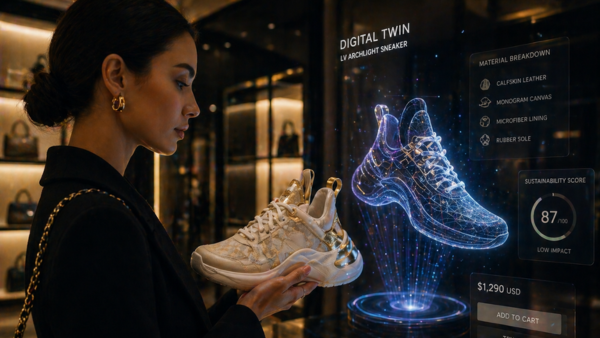
Fashion is no longer stopping at the closet.
A growing number of brands are exploring what happens when a physical item comes with a digital twin: a matching virtual version that can live online, verify ownership, unlock perks, or extend the identity of the product into digital spaces. That is the core idea behind phygital fashion, and it is gaining traction because it sits at the intersection of style, technology, gaming, resale, and modern identity.
A bag is no longer just a bag. A sneaker is no longer just a sneaker. The item can now become a physical object, a digital collectible, a membership key, and a status signal all at once.
What Phygital Fashion Actually Means
Phygital fashion blends physical and digital experiences into one product story.
In practical terms, that might mean buying a real jacket that also comes with a wearable version for an avatar, a collectible digital asset tied to ownership, or access to exclusive content and perks. The digital twin acts like an extension of the item rather than a separate product.
That is what makes the category so interesting. It is not just about digital clothes for people who live online. It is about making physical fashion more interactive, traceable, and layered.
Why Brands Are Interested
Brands are drawn to phygital fashion because it gives them more than a single sale.
A physical product with a digital twin can open the door to loyalty programs, exclusive drops, online experiences, community access, and authentication tools. Instead of the relationship ending at checkout, the product becomes part of an ongoing ecosystem.
That is a powerful shift. Fashion brands have been looking for new ways to keep customers engaged after purchase, and digital twins offer a way to make ownership feel more alive.
Why Consumers Find It Appealing
The appeal for shoppers is not just novelty. It is identity.
People increasingly live in both physical and digital spaces. They post outfits online, build personal brands, play games, join virtual communities, and express themselves across platforms. A phygital item fits naturally into that behavior because it allows one purchase to carry social meaning in multiple places.
It also adds a layer of exclusivity. A digital twin can make an item feel more collectible, more personalized, and more future-facing than a standard fashion purchase.
Authentication And Resale Matter Too
One of the smartest use cases for digital twins is proof.
Fashion has a long-running problem with counterfeits, murky resale histories, and questions around authenticity. A digital twin tied to an item can help create a cleaner ownership trail. That becomes especially useful in luxury, sneaker culture, and limited-edition drops, where proof can affect value almost as much as the product itself.
This is where phygital fashion starts to look less like a gimmick and more like infrastructure.
Gaming And Virtual Identity Are Pushing It Forward
Another reason this trend is growing is that digital self-expression is no longer niche.
Gaming, virtual spaces, and avatar culture helped normalize the idea that people care how they look online. Once that behavior became mainstream, it made more sense for fashion brands to think beyond the physical garment alone. The next logical step was linking the real item to a digital version that can travel with the consumer across different environments.
That makes phygital fashion feel especially relevant to younger audiences who do not see online and offline identity as separate worlds.
What Is Holding It Back
The biggest challenge is still clarity.
A lot of people are interested in the idea, but not always in the language around it. Terms like blockchain, tokenization, and digital assets can make the concept feel more complicated than it needs to be. Most consumers do not want a tech lecture. They want a clear answer to a simple question: what does this do for me?
If brands cannot make the value obvious, phygital fashion risks sounding smarter than it feels.
Why This Trend Still Has Real Potential
Phygital fashion works best when it improves ownership instead of distracting from it.
If the digital twin helps verify authenticity, unlock access, enhance resale value, or extend personal style into digital life, then it becomes meaningful. If it is just a flashy add-on, it will struggle. That is the real line between trend and lasting category.
The strongest future for phygital fashion is not replacing physical clothing. It is making physical fashion feel more connected, more useful, and more culturally relevant in a world where identity increasingly moves across both real and digital spaces. That is why digital twins matter. They turn fashion into something more than a product. They turn it into an experience that keeps living after the purchase.
Comments
No comments yet. Be the first to share your thoughts.
Log in to add a comment.