


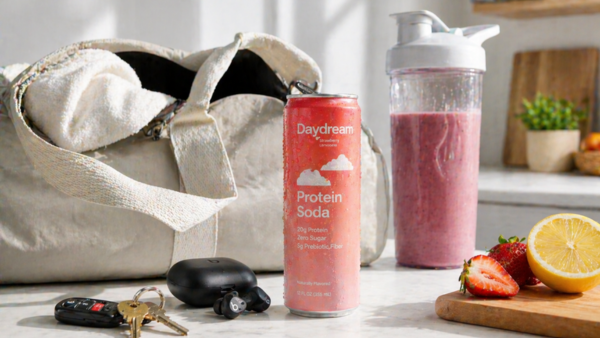
Protein is no longer staying in the shake bottle.
It is moving into snacks, cereals, desserts, convenience foods, and now even soda-adjacent drinks. That shift is part of a broader “protein-maxxing” wave that has pushed food brands to add protein to more everyday products, with Reuters reporting that peas and lentils are now showing up in everything from pastas to sodas as companies chase demand for higher-protein options.
Why Protein Sodas Make Sense Right Now
The appeal is easy to understand. A protein soda promises something a lot of modern wellness products chase at once: convenience, novelty, and function.
People want drinks that feel lighter and more fun than a thick protein shake, but still fit into a health-conscious routine. That is why the category feels so current. It sits right at the intersection of soda culture, wellness branding, and the bigger obsession with adding “better-for-you” benefits to everyday habits. Reuters’ reporting on the protein-maxxing trend shows how strong the broader protein craze has become across the food system.
It Is Not Really About Soda
What makes protein sodas interesting is that they are borrowing soda’s language more than soda’s old identity.
The packaging is more playful. The flavors are more nostalgic. The drink feels more like a treat than a gym ritual. That matters because wellness products increasingly win when they do not feel clinical. Consumers want nutrition that fits into normal life without looking or tasting like punishment.
That is one reason functional beverages are spreading so quickly. Protein is being framed less as hardcore fitness fuel and more as a flexible lifestyle ingredient that can live almost anywhere.
Why Brands Love The Category
For brands, protein sodas are almost perfect modern products.
They tap into the larger protein trend, but they do it in a format that feels fresh enough to stand out on a shelf or in a social feed. Reuters noted that the current protein boom is creating new opportunities all across the food industry, including beverage innovation.
The category also benefits from timing. Traditional soda has spent years fighting health concerns, while functional beverages have been growing as people look for drinks tied to energy, gut health, hydration, fiber, or protein. Even major beverage players are leaning harder into functionality, though some executives are already signaling that fiber may become the next big add-in after protein.
Why The Trend Feels Bigger Than A Fad
The smartest way to read protein sodas is not as a random gimmick, but as part of a bigger shift in consumer behavior.
People increasingly want their drinks to do something. Hydration is not enough. Flavor is not enough. The beverage now needs a job. It should support protein goals, gut health, energy, recovery, or some other piece of a self-improvement routine. That is the deeper reason products like protein sodas keep getting attention. They turn a fun drink into a “productive” one.
That said, Reuters also quoted nutrition experts warning that the current protein craze often goes beyond what many people actually need, especially since Americans already tend to consume more protein than recommended.
What This Says About Wellness Right Now
Protein sodas reveal something important about the current wellness mood: people still want indulgence, but they want it dressed in function.
They do not necessarily want to give up fun flavors, cold cans, or a little dopamine hit in the middle of the day. They just want those things to come with a nutritional storyline that feels useful. That is why protein keeps showing up in more unexpected places. It makes ordinary products feel upgraded.
Protein sodas may not replace traditional protein shakes or regular soda entirely. But they do reflect where wellness culture keeps heading: toward products that blur the line between treat, ritual, and health habit. And right now, that mix is exactly what sells.
Comments
No comments yet. Be the first to share your thoughts.
Log in to add a comment.