


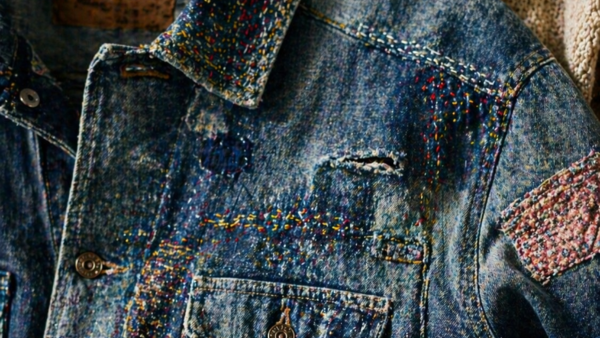
For a long time, clothing repair was supposed to be invisible.
If something tore, you fixed it quietly. If a sweater thinned out, you patched it in a way nobody could see. The goal was to restore the illusion that nothing had happened. Now that idea is changing. More people are openly stitching, patching, darning, and reinforcing their clothes in ways that are meant to be seen.
That shift is what makes the visible repair trend so interesting. It is not just about fixing clothes. It is about changing the meaning of wear, damage, and value.
Why Visible Repair Feels So Appealing
Visible repair turns a flaw into a feature.
A stitched patch on denim, a colorful darn on a sock, or a hand-sewn fix on a jacket does more than extend the life of the garment. It gives the piece personality. It says this item has been used, loved, and worth keeping. Instead of pretending wear is embarrassing, visible repair treats it like part of the story.
That makes repaired clothing feel more human. In a fashion culture filled with mass production and identical trends, a repaired item becomes one of one.
It Is Also A Quiet Rebellion Against Fast Fashion
Part of the appeal is cultural.
Fast fashion trained people to think clothing is disposable. If something rips, fades, or stops looking perfect, the easiest answer is often to replace it. Visible repair pushes back against that mindset. It says durability matters. Care matters. Keeping something matters.
That is why this trend feels bigger than craft. It taps into a growing desire to consume more thoughtfully and to treat clothing less like temporary content and more like something with a life span.
Repair Has Become Aesthetic, Not Just Practical
One reason visible repair is growing is that it no longer feels purely utilitarian.
A repaired elbow on a sweater can look artistic. A hand-stitched patch can make jeans more interesting than they were when they were new. Techniques like visible mending and sashiko-style stitching give repair a clear visual identity. The garment is not being restored back to factory condition. It is being transformed.
That is a major reason people are proud to wear repaired pieces now. The fix itself becomes part of the design.
Why People Want Clothes With More Story
Fashion has always been partly about communication. People want their clothes to say something.
Visible repair communicates care, patience, and individuality. It suggests the wearer values craft over convenience and meaning over perfection. It also makes clothing feel more personal in a time when so much style can feel algorithm-driven and overly polished.
A repaired garment tells a better story than a brand-new one because it carries evidence of time. It has history built into the fabric.
The Emotional Side Of Repair
There is also something deeper happening here.
Repairing clothes can create attachment. When you take time to fix a favorite coat or sew up a torn pair of jeans, you are investing in the item again. That act can make the clothing feel harder to discard. It shifts the relationship from passive ownership to active care.
That emotional connection matters. Many people are tired of buying things that feel temporary. Visible repair offers a different kind of satisfaction: not the thrill of getting something new, but the quieter pleasure of keeping something going.
Imperfection Looks Different Now
This trend also reflects a broader shift in taste.
People are becoming more open to things that feel imperfect, textured, and real. In fashion, beauty is no longer only about crisp newness. It can also come from age, wear, softness, and visible care. That is why repaired clothing feels timely right now. It fits a larger mood that values authenticity over flawless presentation.
In that context, a visible stitch is not a sign that something is ruined. It is proof that it mattered enough to save.
Why Visible Repair Will Likely Stick Around
Visible repair works because it sits at the intersection of style, sustainability, and identity.
It is practical, but it is also expressive. It helps clothes last longer, but it also makes them look more distinct. It answers a modern need for less waste while also giving people a way to personalize what they wear.
That combination gives the trend staying power. It is not just about sewing techniques or patched knees. It is about a bigger cultural idea: that signs of care can be beautiful.
The visible repair trend is really about refusing to treat damage as the end of the story. A stitched jacket, patched jeans, or mended sweater says something refreshing in a throwaway culture. It says this was worth saving. It says wear is not failure. And it suggests that the things we keep, fix, and carry forward may end up feeling more stylish than the things we replace without thinking.
Comments
No comments yet. Be the first to share your thoughts.
Log in to add a comment.